Işıksoy Tekstil Prepares for Global Competition with Green Production
Accelerating its sustainability-focused transformation in the textile sector, Işıksoy Tekstil is increasing its competitiveness in international markets through renewable energy investments, carbon management, and a certified production infrastructure.
The company aims to achieve 100% energy independence in the long term by meeting a large portion of its energy needs from renewable sources at its production facilities in Bursa and Şanlıurfa.
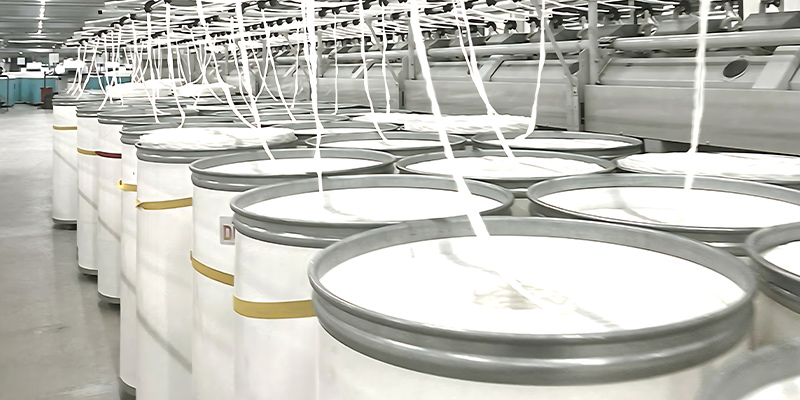
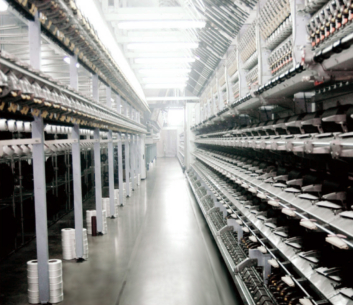
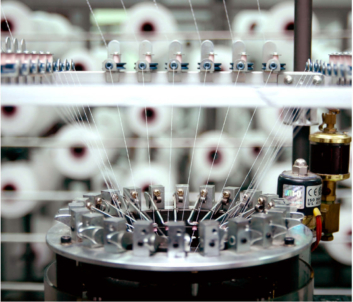 Operating in Türkiye’s textile sector with its integrated production structure, a production chain extending from yarn to fabric, and facilities located in different regions, Işıksoy Tekstil positions sustainability not only as an area of environmental responsibility but also as one of the core competitive elements of its business model through the investments it has implemented in recent years.
Board Member Arzu Işık, in her statement to Ekonomim Newspaper, emphasized that investments particularly aimed at energy transformation are of strategic importance in terms of production costs, export capability, and international customer expectations, noting that sustainable production criteria have now become decisive in the global market. Stating that energy investments have reached a certain level of maturity, Arzu Işık noted that the 4.7 MW rooftop solar power plant installed at the production facilities in Şanlıurfa is actively in operation, while wind energy investments in Balıkesir have reached a total installed capacity of 8.8 MW. Işık stated that rooftop solar energy systems in Bursa and Şanlıurfa, together with wind turbines, form the backbone of the company’s energy transformation, emphasizing that such investments are no longer postponable, especially in the energy-intensive textile industry.
Energy Has Become a Critical Factor
Işık stated that approximately 80% of the electricity used in the weaving, texturing, and dyeing facilities in Bursa is supplied from renewable energy sources, and that new projects are planned to be implemented for the remaining portion. Expressing that their ultimate goal is to achieve energy independence across all production, Işık said: “Energy is no longer just a cost item; it has become a critical factor in terms of reliability in the supply chain, sustainability, and customer loyalty. For this reason, we are reshaping our production infrastructure according to the trade rules of the future.”
Pointing out that international customers directly question carbon footprint data during their purchasing processes, Arzu Işık noted that sustainability criteria have now become one of the key clauses of contracts, especially in the European market. Stating that the effects of the European Union’s Carbon Border Adjustment Mechanism on the textile sector will become increasingly visible, Işık said that as a company, they have long been preparing for this transformation. She added: “Carbon footprint is no longer a preferred criterion, but a mandatory one to be preferred. International customers evaluate not only product quality but also the energy, raw materials, and environmental impact involved in producing that product.”
Flue Gas Emissions Below European Standards
 Işık stated that the company manages its environmental performance according to international standards, adding that the corporate carbon footprint is regularly calculated within the scope of the ISO 14064 standard and emission data is systematically monitored. She noted that emissions resulting from electricity and natural gas consumption are reduced through energy efficiency practices, and that carbon reduction has become an indicator monitored as closely as production performance within the company.
Stating that environmental measurements conducted at production facilities show that flue gas emissions remain below European standards, Işık emphasized that their sustainability approach is not limited to energy, but extends from raw material selection to the entire production chain. She noted that recycled raw materials used are verified with GRS and RCS certifications, while OCS certification is applied for products made with organic cotton. She also added that they support more sustainable agricultural practices through cotton sourced under the Better Cotton initiative.
Sustainability at the Center of Investment Decisions
Arzu Işık stated that in addition to yarn production, women’s and men’s outerwear production also continues at the Bursa facilities, noting that some of the yarn produced is used within the group while the remainder is offered directly to the market. She said that many major brands are supplied from the Bursa facilities, where synthetic yarn, gimped yarn, and fabric production are carried out, and emphasized that in collaborations with especially Europe-based brands, sustainability performance is as decisive as quality.
Stating that a strong product flow is ensured to the European market, particularly to Italy, through indirect exports, Işık noted that the role of suppliers in the transformation of the fashion industry is becoming increasingly important each year. She emphasized that manufacturers are now evaluated not only by capacity but also by their environmental responsibilities, and therefore sustainability is positioned at the center of all investment decisions in the company’s future planning.
Şanlıurfa Becoming a New Production Hub
Şanlıurfa facilities are gaining strategic importance in Işıksoy Tekstil’s investment agenda. Arzu Işık stated that the company has recently relocated part of its weaving looms to this region and that the investment focus is gradually shifting to Şanlıurfa. She noted that while yarn and weaving production continue at the facility, the production infrastructure for value-added products is also being strengthened. She added that special yarns such as cashmere–silk blends, as well as viscose and various blended yarns, are produced there.
Stating that the investment in the region yields significant results not only in terms of capacity increase but also in qualified employment, Işık said that Şanlıurfa will become a stronger center in the company’s future production planning.