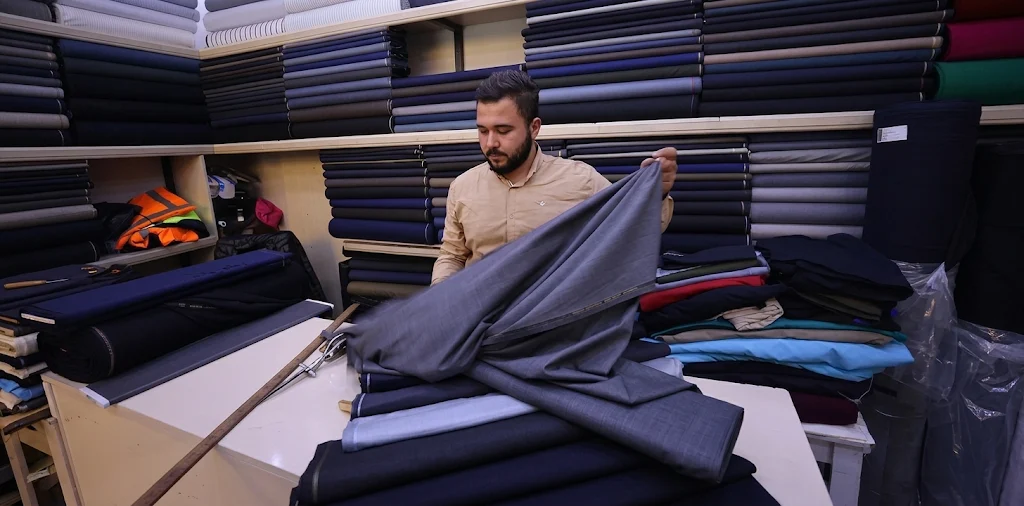
Southeastern Anatolia’s Textile Exports Rise 8% in the First Nine Months
Textile exports from Türkiye’s Southeastern Anatolia Region reached $2.72 billion in January–September 2026, marking an 8% increase compared with the same period last year. The region exported 593,630 tonnes of textile products to 187 countries, with fabrics ranking first among product groups at $731.9 million. Despite global economic challenges and rising freight costs, the increase highlighted signs of recovery across the sector.
The textile industry in Southeastern Anatolia continued to strengthen its position in international markets by increasing its export performance in the first nine months of 2026. According to data from the Southeastern Anatolia Exporters’ Associations (GAİB), the region exported a total of 593,630 tonnes of textile products to 187 countries between January and September. These exports generated $2.716 billion in revenue. Compared with the same period last year, export volumes increased by 1.8%, while export value rose by 8%.
Fabric Exports Take the Lead
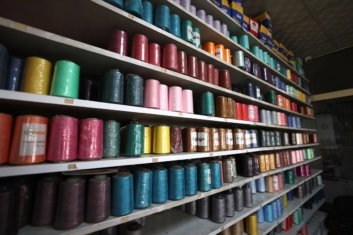 Fabric and yarn were the leading product groups in Southeastern Anatolia’s textile exports. Accounting for 26.9% of total exports, the fabric group recorded a 5.3% increase compared with the same period last year, reaching $731.861 million. Yarn exports rose by 9.8% to $680.798 million. With a 25.1% share of total exports, yarn was followed by fibres, which generated $150.647 million.
A breakdown of the fabric category showed that nonwoven fabrics ranked first, with exports totalling $536.793 million. Exports in this category increased by 8.2% year on year. Knitted fabric exports, meanwhile, declined by 18.3% to $111.618 million, while woven fabric exports amounted to $83.449 million.
Within the yarn category, polypropylene yarn ranked first, generating $232.078 million in exports. However, exports of polypropylene yarn declined by 1%. Exports of other yarns increased by 22.8% to $221.013 million, while cotton yarn exports rose by 26.8% to $172.190 million. Acrylic yarn exports, in contrast, fell by 20.7% to $55.517 million.
Iraq Leads Export Destinations as Syria and China Record Strong Growth
 Iraq ranked first among destinations for textile exports from Southeastern Anatolia. Exports to the country increased by 2.1% compared with the same period last year, reaching $255.870 million. The United Kingdom ranked second, with exports rising by 3.6% to $238.267 million, while exports to Syria surged by 38.6% to $202.109 million.
Growth across export markets was not limited to neighbouring countries. Among the region’s top 20 export destinations, increases in shipments to Egypt, Germany, Bangladesh and China also stood out. Textile exports to Egypt rose by 38.8% to $113.259 million, while exports to Germany increased by 17% to $108.770 million. Exports to Bangladesh climbed by 79% to $63.768 million, while those to China surged by 93.8% to $41.024 million.
By regional market, European Union (EU) countries remained the region’s most important destination, with exports totalling $757 million. Textile exports to the Middle East reached $643 million, while African countries accounted for $324 million.
These figures underline the continued importance of the EU market to the region’s textile industry, while markets in the Middle East and Africa also play a significant role in diversifying exports. Growth recorded in destinations such as Syria, Egypt, Bangladesh and China points to the region’s potential to capitalise on export opportunities across a wider range of geographical markets.
Gaziantep Remains the Driving Force Behind Regional Exports
Among the provinces in the region, Gaziantep recorded the highest textile export value. During the first nine months of 2026, the province’s textile exports increased by 6.2% compared with the same period last year, reaching $1.225 billion.
Kahramanmaraş ranked second, with exports totalling $569.955 million, down 4.9%. Şanlıurfa, meanwhile, recorded particularly strong growth, increasing its textile exports by 102.8% to $50.435 million.
While Gaziantep maintained its dominant position in the region’s textile exports, the sharp increase recorded in Şanlıurfa also highlighted the evolving contribution of different provinces to regional textile production and exports.
GATHİB: Signs of Recovery in Exports Are Strengthening
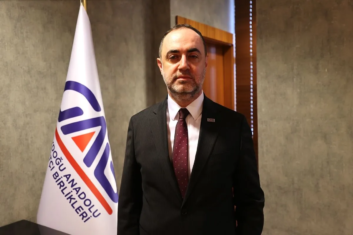
Mete Akcan, Chairman of GATHİB and Southeastern Anatolia Exporters’ Associations (GAİB) Coordinator Chairman
At the Southeastern Anatolia Textile and Raw Materials Exporters’ Association (GATHİB) Board of Directors meeting, participants reviewed September export figures and developments affecting the sector’s global competitiveness. Elif Berrak Taşyürek, Head of the EU Single Market and Green Deal Department at the Ministry of Trade’s Directorate General for International Agreements and the EU, also attended the meeting. Discussions covered new regulations in the European Union market, the green transition and sustainability.
Mete Akcan, Chairman of GATHİB and Southeastern Anatolia Exporters’ Associations (GAİB) Coordinator Chairman, highlighted the increasingly challenging competitive conditions in international markets due to global economic developments, regional conflicts and rising freight costs. Despite these pressures, Akcan noted that Southeastern Anatolia’s textile industry continued to maintain its presence in global markets. He described exports to 187 countries in the first nine months of the year as an important indicator of the sector’s performance.
GATHİB recorded exports worth $344.310 million in September, bringing its total exports for the first nine months of the year to $2.716 billion. Emphasising that the sector had shown clear signs of recovery compared with previous periods, Akcan stated that efforts were continuing to increase exports sustainably and strengthen the region’s competitiveness in global markets.
New EU Regulations High on Exporters’ Agenda
One of the key topics discussed at the meeting was the new regulations introduced by the European Union as part of its green transition and sustainability agenda. Elif Berrak Taşyürek, Head of the EU Single Market and Green Deal Department, provided insights into the implications of legislation shaped by the European Green Deal for textile exporters.
Eco-design, circular production, product traceability and Digital Product Passports were identified as key areas requiring companies to prepare for. Timely compliance with the new regulations was highlighted as essential for exporters seeking to maintain their competitiveness in the European Union market.
As sustainable production, resource efficiency and product lifecycle tracking become increasingly important in the textile industry, companies must compete not only through production capacity and cost advantages but also through their environmental performance and ability to comply with regulatory requirements. In this context, strengthening preparations for the green transition will be crucial for Southeastern Anatolia’s textile industry to maintain its position in the European market and achieve its long-term export targets.