Marzoli Shapes the Future of Spinning
Interview: Tuğba Karademir
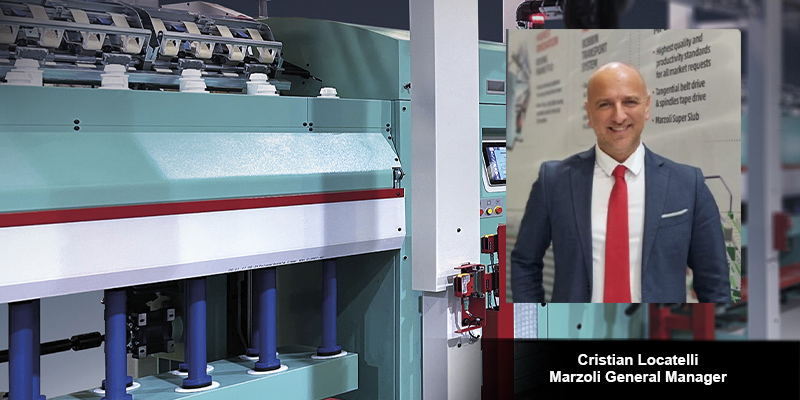
With a strong focus on circular production, advanced fiber technologies, and digitalization, Marzoli is setting the direction of transformation in the textile machinery industry. Marzoli General Manager Cristian Locatelli shares insights ranging from the company’s global positioning to its 2025 strategy, from next-generation machinery to sustainability-driven solutions.
As one of the strongest representatives of the Italian engineering tradition, Marzoli combines its long-standing expertise in fiber preparation and spinning technologies with recycling-oriented innovations and digital solutions. With its Refiber technology supporting circular textile production, nanofiber-based functional yarn solutions, and next-generation machine platforms, Marzoli delivers flexible and reliable solutions for manufacturers facing changing raw material structures and increasing performance demands.
How would you define Marzoli’s position within the Italian and global textile machinery industry?
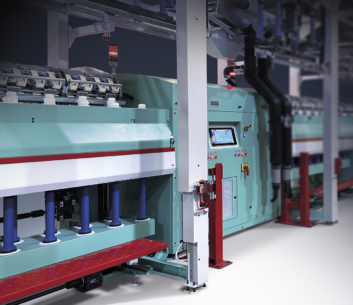 Marzoli holds a solid and well-established position within the Italian textile machinery industry, which is globally recognized for its strong engineering tradition. By combining long-standing expertise with continuous technological innovation, the company stands out as a reference player in fiber preparation and spinning solutions. In addition to conventional spinning technologies, Marzoli has developed advanced know-how in processing recycled and regenerated fibers, playing a key role in the transition toward circular textile production.
At a global level, Marzoli operates as a long-term technology partner, supporting customers across European and international markets through an extensive sales and service network, and contributing to the implementation of reliable, recycling-oriented production processes.
2025: The Year of Recycling and Functional Fibers
How was 2025 for Marzoli, and which key topics stood out during this period?
In 2025, Marzoli further strengthened its positioning around advanced fiber technologies, with a strong focus on recycling and fiber functionalization. Through its patented Refiber technology, Marzoli expanded the concept of recycling beyond conventional standards, enabling the regeneration of unsold garments and production waste to obtain fibers that are stronger and more resistant than standard recycled fibers.
In parallel, the company introduced a patented solution for yarn functionalization through nanofibers. This technology makes it possible to produce high value-added yarns that preserve the natural tactile properties of the original fibers while adding unique performance characteristics typically associated with synthetic materials.
Together, these developments form the foundation of Marzoli’s 2025 strategy: extending textile life cycles, supporting circular production models, and delivering innovative yarn solutions fully compatible with existing industrial spinning technologies.
What kind of innovations do next-generation solutions such as the FTM320 offer in terms of performance and efficiency?
 The Marzoli FTM320 roving frame exemplifies how next-generation machinery delivers measurable innovation across performance, energy efficiency, and production continuity. Designed around a central headstock with independent double-side modules working simultaneously, the FTM320 simplifies logistics and maintenance while optimizing the machine layout.
The FTM320’s modern control architecture and optimized transport system also help stabilize processes and reduce handling variability. These improvements translate directly into higher yarn quality, smoother operations, and lower total cost of ownership.
From Conventional Spinning to Advanced Material Technologies
How does Marzoli’s R&D approach integrate conventional spinning technologies with innovative solutions?
Marzoli’s R&D approach is built on a strong integration between conventional spinning technologies and innovative solutions based on recycling and functionalized yarns enhanced with nanofibers. Innovation is developed with the clear objective of maintaining full compatibility with traditional spinning processes and industrial-scale production.
Technologies such as Refiber and yarns functionalization with nanofibers are designed to enhance raw materials at an early stage, while allowing the resulting fibers and yarns to be processed using standard spinning machinery. Marzoli’s long-standing expertise in fiber preparation and yarn quality control plays a key role in transferring know-how from conventional spinning to advanced material solutions.
This integrated R&D model enables manufacturers to introduce recycled fibers and “evolved yarns” into existing spinning lines with minimal process disruption, supporting a gradual and scalable transition toward more sustainable and higher-value textile production.
What operational advantages do the YarNet and MRM platforms offer within the Marzoli Digital Suite?
 Marzoli Digital Suite provides a comprehensive digital ecosystem that connects machines and production lines, creating added value through the structured use of big data. By continuously collecting and analyzing operational data, the system enables real-time monitoring and control of critical process parameters.
This data-driven approach improves production continuity, optimizes maintenance strategies, and reduces unplanned downtime through remote monitoring and predictive maintenance tools. Reliable and up-to-date data also supports better decision-making at both operational and managerial levels, contributing to long-term efficiency and cost optimization.
Engineering Solutions for Circular Textiles
What are the core objectives behind Marzoli’s recycling-oriented solutions and sustainability strategies?
Marzoli’s recycling-oriented solutions are at the core of its broader sustainability strategy, aimed at extending fiber life cycles and enabling circular textile production. Through patented technologies such as Refiber, Marzoli enables the regeneration of high-quality fibers from production waste and unsold garments, delivering performance beyond conventional recycled fiber standards.
These solutions allow higher recycled fiber content in yarns and open the path toward fully recycled materials that remain compatible with traditional spinning processes. In parallel, nanofiber-based functionalization technologies add long-lasting performance properties to natural and recycled fibers while preserving their intrinsic characteristics.
Together, these technologies reduce raw material consumption and waste generation while improving resource efficiency, helping textile manufacturers achieve sustainability goals without compromising product quality or industrial reliability.
How do you evaluate Turkey’s role among the geographical markets where Marzoli operates?
Marzoli operates globally across Europe, Turkey, Asia, and the Americas. Thanks to its advanced textile industry and strong focus on innovation, Turkey holds a strategic position. Marzoli works closely with Turkish manufacturers through long-term partnerships, tailored solutions, and local service support.
What kind of presentation and market approach will Marzoli showcase at ITM 2026?
At ITM 2026, Marzoli will present a renewed market approach that reinforces its position as a technology leader. The company aims to stand out as a player capable of shaping demand and driving innovation across the textile value chain. Its strategic focus will center on three key segments: luxury & fashion, denim, and technical textiles.
Leveraging deep technological and process expertise along with ongoing R&D activities, Marzoli will highlight high value-added solutions designed to address the key challenges faced by leading textile manufacturers today, including productivity, sustainability, digitalization, and operational flexibility.
Key Dynamics Shaping the Future of Textile Machinery
What key trends will shape the future of the textile machinery industry in the coming period?
The future of textile machinery will be defined less by isolated technological breakthroughs and more by the ability to manage increasing material diversity and supply chain pressure. The growing use of recycled, regenerated, and functional fibers requires machinery capable of ensuring process stability, quality consistency, and industrial reliability under variable raw material conditions.
In this context, Marzoli focuses on developing flexible spinning solutions that can adapt to different fiber qualities while maintaining efficiency and sustainability. By aligning machine design with advanced material technologies and long-term process optimization, Marzoli aims to support textile manufacturers in a market increasingly driven by circularity, performance differentiation, and resilient production models.