“We Believe the Development of the Turkish Textile Industry will Continue Unabated”
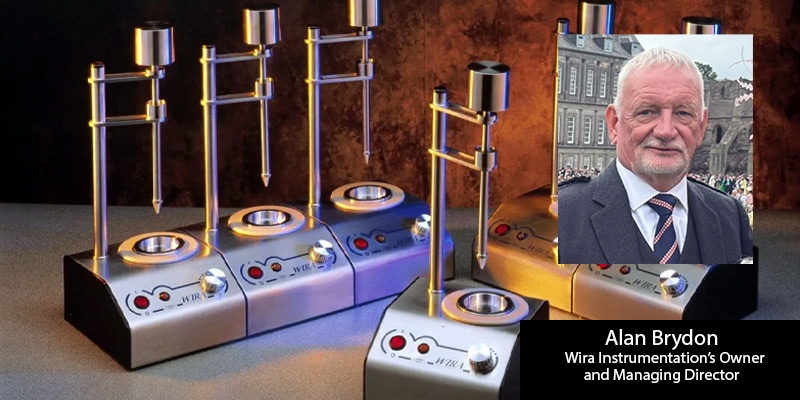
Wira Instrumentation’s Owner and Managing Director Alan Brydon says, “The Turkish textile industry is highly successful in combining traditional expertise with modern technology. We believe this development will continue unabated.”
Quality in textile production is not determined when the yarn or fabric is produced; it begins to take shape from the moment the fibre enters the process. Properties such as fibre length, fineness, strength and moisture content directly affect production performance, process efficiency and the quality of the final product. The increasing use of recycled and alternative raw materials makes the accurate, reliable and repeatable measurement of these parameters more important than ever. With more than 100 years of experience in textile testing technologies, Wira Instrumentation is at the heart of this transformation today. Developing testing solutions for different stages of the production chain, from fibre to fabric, the company is also focusing on the future of quality control through online process control, data management and AI-driven production applications. We spoke with Wira Instrumentation’s Owner and Managing Director Alan Brydon about the company’s development, its position in the global textile market, the testing requirements brought about by next-generation raw materials, and its technology vision for the years ahead.
How would you evaluate Wira Instrumentation’s development over the years and its current position in the global textile testing and quality control industry?
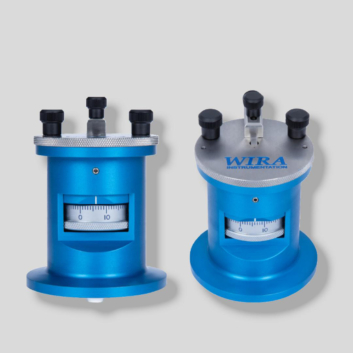 Wira has a history that extends back over 100 years and has been consistently well known for the development of instruments to meet the needs of industry from fibre to fabric. A particular strength of Wira is the ability to manufacture customised instruments for specific needs.
Wira’s products are used in many major textile manufacturing centres around the world. What are your main export markets and which regions are strategically important to the company?
Wira has always operated globally and whilst the major textile markets are of course extremely important, small and emerging markets are just as important to us. The textile industry is diverse and associated industries such as nonwovens, technical textiles and home textiles continue to flourish. Wira Instrumentation is flexible enough to offer a range of different testing solutions to all these different sectors.
Sustainability, traceability, raw material quality and production costs are becoming increasingly important across the global textile industry. What criteria are manufacturers prioritising when investing in testing equipment today?
The management of data in terms of test results and the ease of access to such data is of course very important in these days of sustainability & traceability. Data systems and operating software continually evolve to account for such demands.
Which areas of textile testing and measurement are currently experiencing the fastest growth in demand? How are next-generation fibres, recycled fibres and technical textiles influencing this demand?
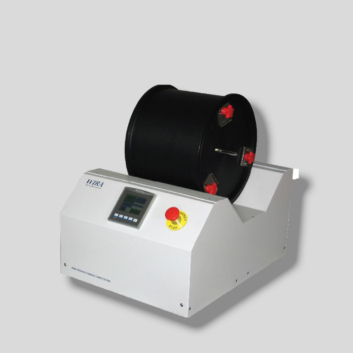 We are seeing a renewed interest in fibre physical properties such as length, strength and distribution, some of this demand fuelled by the regeneration and recycling of fibres. Additionally, one of the most important areas in fibre processing is moisture content which affects fibre strength, elongation, and other factors such as static electricity during processing. The industry is becoming increasingly aware of the huge importance of moisture content in a production environment and Wira has a full range of instruments and tests for the determination of moisture content at all stages of processing.
At which stages of the yarn production process is the accurate and repeatable measurement of parameters such as fibre fineness, maturity percentage and maturity ratio particularly critical?
Individual fibre properties are crucial to the performance of the resulting yarns. Cotton, for example, being a natural fibre, can change in properties depending on environmental, agricultural or physical aspects. These factors are important at all stages of processing but particularly so during early processing, blending, opening, carding, combing and spinning.
The growing use of recycled fibres, alternative raw materials and technical fibres in the textile industry is creating new requirements for conventional quality control methods. How is Wira approaching R&D for testing these next-generation raw materials?
The resurgence of interest in recycling has placed renewed importance on fibre properties, particularly due to the effects of the recycling process on the physical properties of the fibres themselves. Wira has a range of instruments to determine the effects of processing on fibres, for example our single fibre length and single fibre strength machines are popular for the evaluation of fibres after the recycling process.
What developments are currently taking place in the digitalisation of these measurements and the integration of test data into production systems?
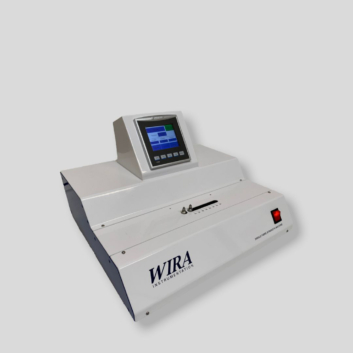 The process of converting individual fibres to slivers yarns and ultimately fabric involves many mechanical operations that place great strain on the fibre. It is therefore essential to control such exertion. Testing machines may test many parameters with automated machines but it is also necessary to control the processing parameters. In recent years Wira, alongside our sister organisations have been particularly involved in online process control and we are seeing more demand for the integration of testing and inspection during the production process.
What new opportunities could the integration of test results directly with production machinery or digital production management systems create for textile manufacturers?
Artificial intelligence is moving at an extremely fast pace in all aspects of life and textiles is no exception. One area where we foresee more use of artificial intelligence is in the evaluation of textile physical properties to create instant processing parameters such as machine settings, speed, twist etc., in order to produce an optimum yarn and ultimately fabric based on the unique physical properties of the fibre.
How do you assess the Turkish market from Wira’s perspective? Which of your testing and quality control instruments are currently seeing the strongest demand from Turkish textile manufacturers?
Türkiye is an important market and one that continues to grow. There is a huge pool of textile skills in Türkiye backed up by an innovative industry who are adept at combining traditional skills with modern technology. We see this continuing with pace.
Looking ahead over the next three to five years, which areas will be the main priorities in Wira’s product development and R&D strategy?
Without divulging specific projects prematurely, we can confirm that we are developing new instruments and are continuing to expand and develop our range of instruments as a direct result of positive feedback from our customers. In this regard, we very much welcome interaction with our customers in order to provide them with more than just an instrument, but also a working relationship.