

Epson and HKRITA Collabrated to Produce Recycled Fiber from Clothes
Epson and the Hong Kong Research Institute of Textile and Apparel Limited (HKRITA) have signed a joint development agreement to create an innovative dry fiber recycling solution.
With this collaboration, the life cycle of textile products, which are very difficult to recycle, will be extended by recycling with special dry fiber technology. The aim is to meet the growing global need for recycled fibers.
Seiko Epson Corporation seeks to meet the growing global need for recycled fibers by using its proprietary Dry Fiber Technology to establish technology for defibrating hard-to-recycle fabrics and expand real-world fiber recycling. To this end, Epson entered into a joint development agreement with HKRITA, is a Hong Kong-based R&D center, specializing in the development of innovative solutions to the textile, clothing and fashion industry.
Spurred by a growing recognition of global environmental issues, a trend toward using recycled fibers from unwanted clothing has been gaining steam, particularly in Europe, where countries are moving to increase the ratio of recycled fibers used and limit the use of petroleum-derived synthetic fibers.
Currently, a machine called a garnett is commonly used in the textile recycling process to separate the fibers in waste material. However, garnetts are unable to effectively separate the fibers of some of the most common textiles in the apparel market, such as tightly weave fabrics used for dress shirts and bed sheets and elastic blended fabrics used for functional clothing.
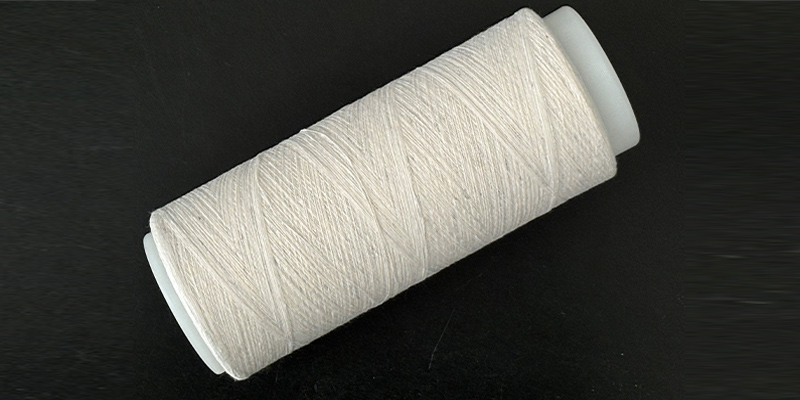
Dry Fiber Technology Revalues Waste and Used Products
This solution will be able to help greatly accelerate the use of recycled fibers by making it possible to separate fibers from challenging textiles such as functional clothing, sheets, and dress shirts, as well as unsold items of clothing, and unwanted apparel. Epson aims to establish the technology as soon as possible and implement it in the real world.
Dry Fiber Technology, independently developed by Epson, enables the creation of new value from post-consumer paper, wood, clothing, and other fibrous waste and used products. In addition to developing recycled fiber production solutions, Epson is producing new paper and packaging materials from used paper and other raw materials. It is also developing stronger and more durable recycled plastic and bio-based plastic.


