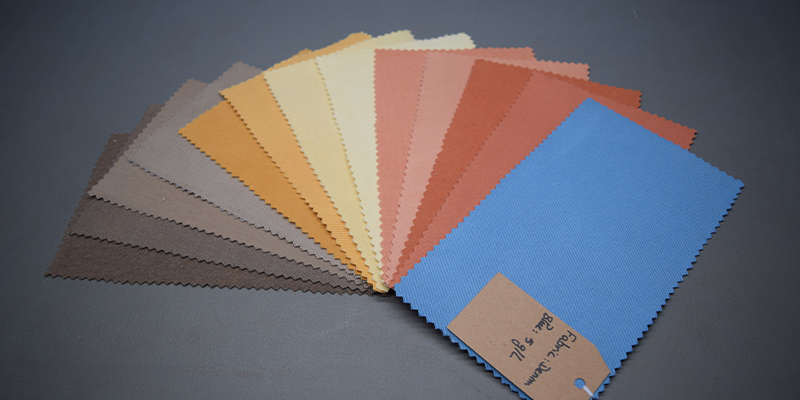
Investment Support from 212 NexT to French Startup EverDye
Technology investment fund 212 NexT has invested in France-based EverDye, which develops bio-based pigments and low-temperature textile dyeing solutions. EverDye secured support in its €15 million Series A funding round, which was led by prominent French investors Daphni and Crédit Mutuel Innovation, alongside 212 NexT. The European Innovation Council (EIC), Ring Capital, and previous investors Asterion Ventures and Maki.vc also participated in this round.
 With this investment, EverDye aims to scale its technology—successfully tested in laboratory conditions—to industrial levels, increase its production capacity, and turn its preliminary agreements with global textile brands into commercial partnerships. The company also plans to significantly grow its team over the next three years and become one of Europe’s leading sustainable textile technology providers.
Set out with the goal of reducing chemical use and energy consumption, EverDye develops eco-friendly solutions that can integrate into existing production infrastructures. The company operates at the intersection of environmentally friendly chemicals and innovative materials technologies.
Sustainable and Scalable Technologies
Gizem Yağız, Managing Partner at 212 NexT, emphasized that due to the European Green Deal and emerging regulations, the transition to low-carbon production in sectors like textiles and cosmetics will accelerate. She stated:
“EverDye offers an innovative and practical technology that addresses the environmental issues facing the textile industry. In addition to reducing energy and water usage, its ability to lower production costs proves that this solution is both sustainable and economically advantageous. At 212 NexT, we continue to invest in material and process technologies that have a positive climate impact.”
“We’re Pursuing a Dyeing Revolution”
EverDye CEO Philippe Berlan drew attention to the environmental impact of the textile sector, saying:
“Dyeing processes account for nearly half of the total greenhouse gas emissions from the textile industry. We can carry out this process in a shorter time, using less energy and eco-friendly ingredients. Our method is not only environmentally conscious but also offers significant cost benefits for manufacturers.”