Technical Textiles in 2025: A Symbol of Transformation and Resilience
While 2025 unfolded under the shadow of shrinking global demand, rising production costs, and shifting trade dynamics for Türkiye’s textile and apparel industry, technical textiles stood out as the sector’s strongest and most balanced segment amid these challenging conditions.
 ITHIB’s December 2025 data clearly shows that while labor-intensive and price-driven segments continued to contract, a production model based on value-added and functional products demonstrated a more resilient export performance.
Technical textile exports, which totaled USD 2.265 billion in the January–December period of 2024, increased to USD 2.296 billion in the same period of 2025, marking a 2.8% rise. Despite the overall slowdown in the sector, this growth confirms the structural strength of the segment. Although the increase may appear modest, considering the weakness in global textile demand, it is evident that technical textiles played a strategic role in balancing total exports. The 2.7% increase recorded in December further indicates that demand remained steady toward the end of the year and that markets continue to require technical products.
The Strength of Value-Added Production
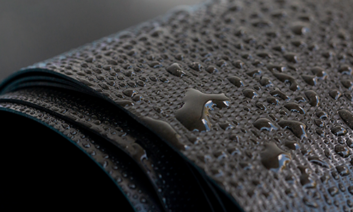 The stability in technical textiles is driven by a shift away from standard, price-competitive products toward product groups that require performance, durability, functionality, and sector-specific expertise. Nonwovens, leading the subcategories with exports of USD 824.4 million in 2025, reflect sustained demand particularly in medical, hygiene, filtration, and industrial applications. Globally, the focus on sustainability, recyclable materials, and the need for lightweight yet durable products has positioned the nonwoven segment strategically.
Technical textile sacks and bags for packaging, with an export volume of USD 353.6 million, demonstrate robust demand in logistics, agriculture, and industry. Meanwhile, the USD 187.4 million performance of waddings and felts highlights the importance of intermediate goods production serving a wide range of industries from automotive to furniture. This overall picture shows that technical textiles are growing not only through final consumer products but also through an integrated structure embedded in various branches of industry.
Strong Integration with Developed Markets
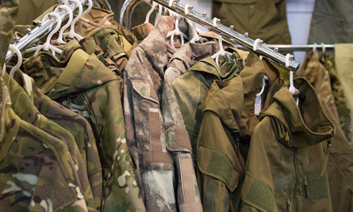 An analysis of country-based distribution reveals that the United States ranked first in 2025 with exports of USD 218.7 million, indicating Türkiye’s ability to compete in high-standard, certification-driven markets. The prominent positions of industrially strong countries such as Germany, Italy, the United Kingdom, and Spain further demonstrate that technical textiles are primarily positioned in industrial and performance-oriented segments.
This reflects that Türkiye’s technical textile exports are not limited to geographically close markets but are integrated into quality- and technology-driven developed economies.
The 2025 data once again proved that technical textiles are relatively more resilient during periods of crisis. However, sustainable growth will require more than incremental increases within existing product groups. Expanding R&D investments in high-technology areas such as medical textiles, smart textiles, defense, and automotive applications will be critical, alongside accelerating green transformation and digitalization processes.
In the coming period, global trade policies, carbon regulations, and supply chain restructuring will present both risks and opportunities for technical textile manufacturers. To move beyond the current USD 2.3 billion level, Türkiye will need to more strongly embrace innovation, branding, and high value-added production strategies.
In conclusion, while 2025 was a year of contraction for the overall textile sector, technical textiles emerged as a symbol of transformation and value-added production. They continue to represent a strategic field that preserves and advances the competitiveness of Türkiye’s textile industry into the future.