800-Year-Old Seljuk Silk Comes to Life Again in Antalya
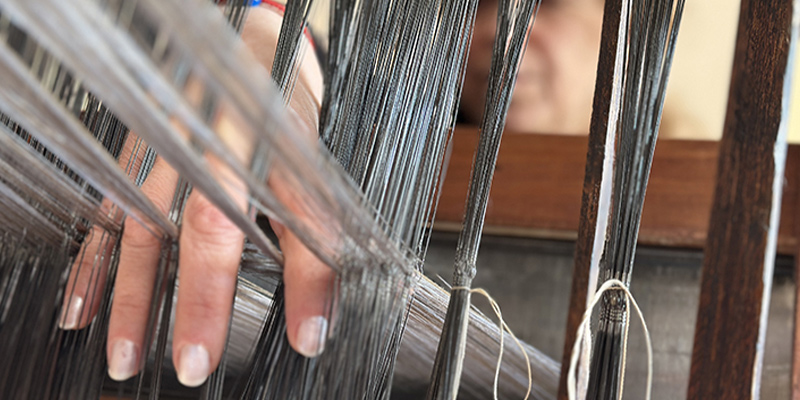
At the Antalya Maturation Institute, 800-year-old woven silk fabrics belonging to the Seljuk palace culture have begun to be reproduced. The Institute started a research study on Seljuk-period silk weaving in order to carry the weaving tradition, dating back to the period of Alaeddin Keykubad I, to future generations.
Within the scope of a study lasting approximately 5 years, Seljuk fabrics in special collections and museums were meticulously examined. Among the works that had been lost or worn over the centuries, 17 different fabrics were reached, and in 9 of them, pattern analysis and dating studies were completed. The institute, which also applied for design registration of the fabrics, has started the reproduction of the 8th-century-old ancestral fabrics.
Patterns of 9 Fabrics from the Seljuk Period Were Made
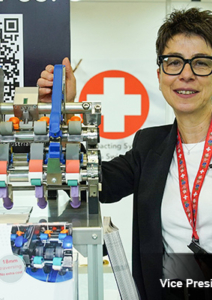
 Antalya Maturation Institute Director Emine Erkal told AA correspondent that they started an important study in order to carry the aesthetic accumulation of the Seljuk weaving tradition into the future with today’s design understanding. Erkal explained that a professional research team carried out a sensitive study, stating that first they researched the patterns and then worked on weaving the patterns.
Erkal stated that a 13-person team took part in the project: “Currently, there are very few Seljuk weavings in the world. Many have been lost or are on the verge of being lost due to the long centuries. Some are in private collections and museums. We gathered all of them, pattern analyses were done, and they were brought back to life.” Erkal noted that Seljuk Sultan Alaeddin Keykubad I gave great importance to the Antalya region, and for this reason, many palace weavings were produced in these areas.
Erkal said that they brought these weavings back to daylight: “Especially designed clothes and designs that we can use in daily life and carry with honor will come. Today, we will touch on an 800-year-old tradition. Design registration rights have been obtained for each one. Our research team carried out a very serious study. We reached approximately 17 fabrics, but the patterning and dating of 9 were completed. Studies on the others are continuing.”
Art historian Semiha Aleyna Ergezer, working as a master instructor at the institute, also said that Seljuk fabrics are an elite type of silk weaving in the Islamic world, especially notable for high technical equipment, aesthetic refinement, and political symbolism.
Ergezer explained that the brightness provided by the use of metal threads and the embossed effect created on the surface transformed silk fabric from clothing material into a symbol of power, magnificence, and status, adding: “In Seljuk textile art, silk fabric is characterized by medallion composition layout, symmetrical figure placement, and stylized plant decorations such as Rumi-curved branches. Animal figures such as double-headed eagle, lion, dragon, hawk, and horse create a symbolic repertoire associated with rulership ideology and military power.”