“ITM 2026 Brought Together the Decision-Makers of the Weaving Industry”
Showcasing its next-generation weaving technologies at ITM 2026, Picanol attracted significant attention with solutions focused on energy efficiency, digitalization, and reducing the total cost of ownership. Throughout the exhibition, the company presented technologies designed to address the operational, economic, and sustainability challenges faced by manufacturers while holding productive discussions with senior executives and business owners who play a key role in investment decisions.
According to Kurt Lamkowski, Worldwide Sales Manager at Picanol, ITM 2026 was not only an opportunity to meet customers but also an important platform for demonstrating technologies that will shape the future of the textile industry. He emphasized that the exhibition generated interest and excitement around new technologies, helping to accelerate the sector’s transformation.
“EcoBoost Technology and Next-Generation Weaving Machines Drew Strong Interest”
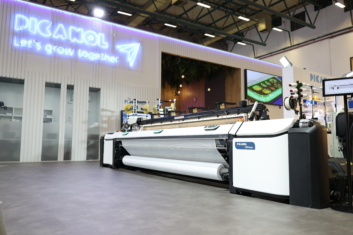
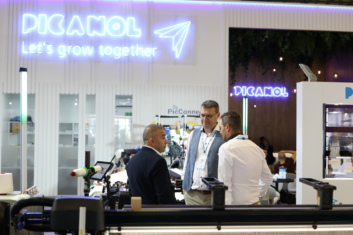 At the exhibition, Picanol introduced its OmniPlus-i Connect airjet weaving machine equipped with the new EcoBoost technology. Developed to redefine performance, sustainability, and user experience, this next-generation airjet weaving machine combines the latest innovations in weaving technology. Delivering energy savings of up to 1.5 kW, EcoBoost technology stood out for its ability to reduce energy costs while improving productivity for weaving mills.
Picanol also showcased two rapier weaving machines. One demonstrated outstanding performance in denim fabric production, while the other highlighted its flexibility across a wide range of fabric applications. Maintaining superior fabric quality while delivering these advantages remained one of the company’s key differentiators.
The company’s centralized digital platform, PicConnect, was also on display. Through its AI-powered applications, the platform enables weaving mills to visualize, analyze, and optimize operational performance. With PicConnect, Picanol offers manufacturers not only machinery but also a comprehensive data-driven production management solution.
Türkiye and Neighboring Countries Hold Strategic Importance
 Lamkowski noted that Türkiye and the surrounding region have been strategically important markets for Picanol for many years. He attributed this importance to the region’s strong technical expertise, diverse product portfolio, and export-oriented manufacturing structure.
He explained that manufacturers in the region continue to invest in high-performance technologies in order to remain competitive in global markets. As a result, energy-efficient and performance-driven solutions have become more important than ever.
Decision-Makers and Senior Executives Gathered at the Exhibition
Lamkowski stated that ITM 2026 provided an opportunity to meet directly with business owners and senior executives responsible for investment decisions. He emphasized that the quality of these meetings was more significant than visitor numbers alone and that the discussions held during the exhibition demonstrated substantial commercial potential.
According to Lamkowski, ITM 2026 has evolved into a key platform that brings together the decision-makers of the weaving industry. He also observed that textile professionals are approaching new investment decisions with a much higher level of awareness and strategic consideration than in the past.
The “Total Cost of Ownership” Approach Is Gaining Momentum
According to Lamkowski, weaving mills are no longer focusing solely on the initial purchase price of machinery. Instead, they are increasingly evaluating the overall value a machine can generate throughout its entire lifecycle.
He explained that factors such as energy consumption, machine efficiency, ease of maintenance, user-friendliness, and production performance have become decisive criteria in investment decisions. This shift reflects a significant transformation in customer expectations.
Lamkowski emphasized that sustainability and digitalization are no longer viewed as additional cost factors but rather as strategic tools that help reduce the total cost of ownership. He added that this changing perspective is expected to become one of the key drivers influencing future investments in weaving technology.
Sustainability and Digitalization Will Define Competitiveness
According to Picanol, energy efficiency, digitalization, and data-driven production management will play a decisive role in the future of the weaving industry. Lamkowski noted that manufacturers are increasingly focusing on long-term productivity and sustainability gains rather than simply minimizing upfront investment costs. As a result, next-generation weaving technologies are becoming strategic investments that strengthen operational competitiveness.
He further stressed that sustainability and digitalization should no longer be regarded as cost elements but as powerful tools for reducing total cost of ownership and enhancing competitiveness. These two factors, he concluded, will be among the most influential forces shaping the future of the weaving industry.