Setex Closes The Gaps Between Machines, MES And Quality
In dyeing and finishing processes, real value comes not from seeing more data on the screen, but from turning process data into more effective management of quality, energy, and daily production decisions. At ITM 2026, Setex will demonstrate how this approach can be implemented by more closely integrating machine control, MES intelligence, and fabric-related quality data with daily production.
 With OrgaTEX X3 MES, machine data, planning logic and process context are brought together in a way that supports action, not just reporting. Functions such as SmartRecipe, dynamic planning and KPI-based dashboards help relate utilities, lead times and machine behavior directly to running orders. This creates a clearer picture of what is stable, what is drifting and where intervention has the greatest impact.
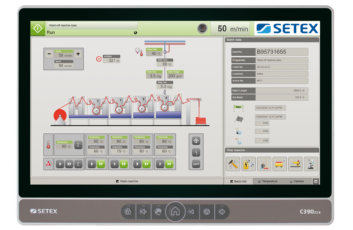
A key differentiator is the depth of machine-level transparency created by the E390x/C390x controller platform. Process and energy data from dyeing machines and continuous lines are structured and made available beyond the machine itself. This enables consistent batch comparison, reliable KPI generation and targeted optimization across mixed machine environments.
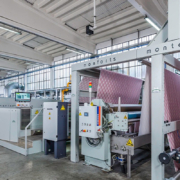
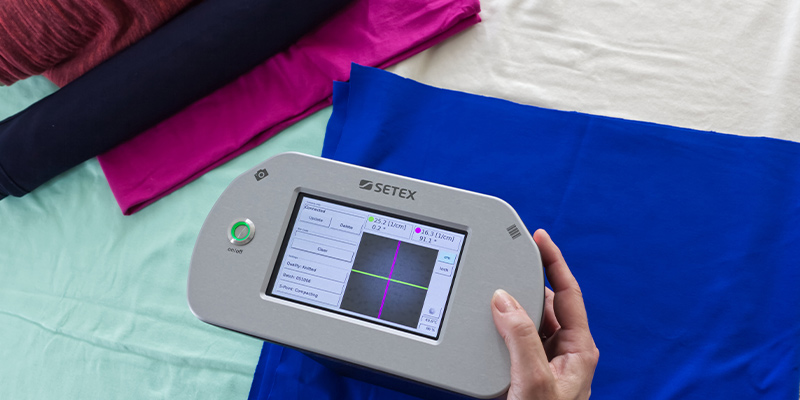
Quality control is addressed as part of the process itself. Setex combines production-near verification with real-time regulation: FabricInspector Portable supports fast, non-destructive checks directly on the shop floor, while CamCOUNT adds optical online measurement and control within continuous processes. By capturing parameters such as thread density, distortion and shrinkage, it enables earlier detection of deviations and, in the case of CamCOUNT, direct influence on process conditions during production.
Another key topic is Energy Management — approached from a production perspective. Instead of treating energy as a separate reporting layer, Setex links consumption directly to batches, machine states and process phases. This enables a more precise understanding of where resources are used and where adjustments lead to measurable savings without compromising process stability.